
Consulting Local Communities to Find Solutions for Climate-Related Risks Along the Kelani River
 24 August 2026, Colombo, Sri Lanka. The Kelani River provides water to over two million residents in the cities of Colombo, Sri Jayewardenepura Kotte and Kelaniya. These cities, being the largest water consumers and polluters, are also at the highest risk of negative socio-economic impacts due to poor water quality and system failure from climate induced disasters.
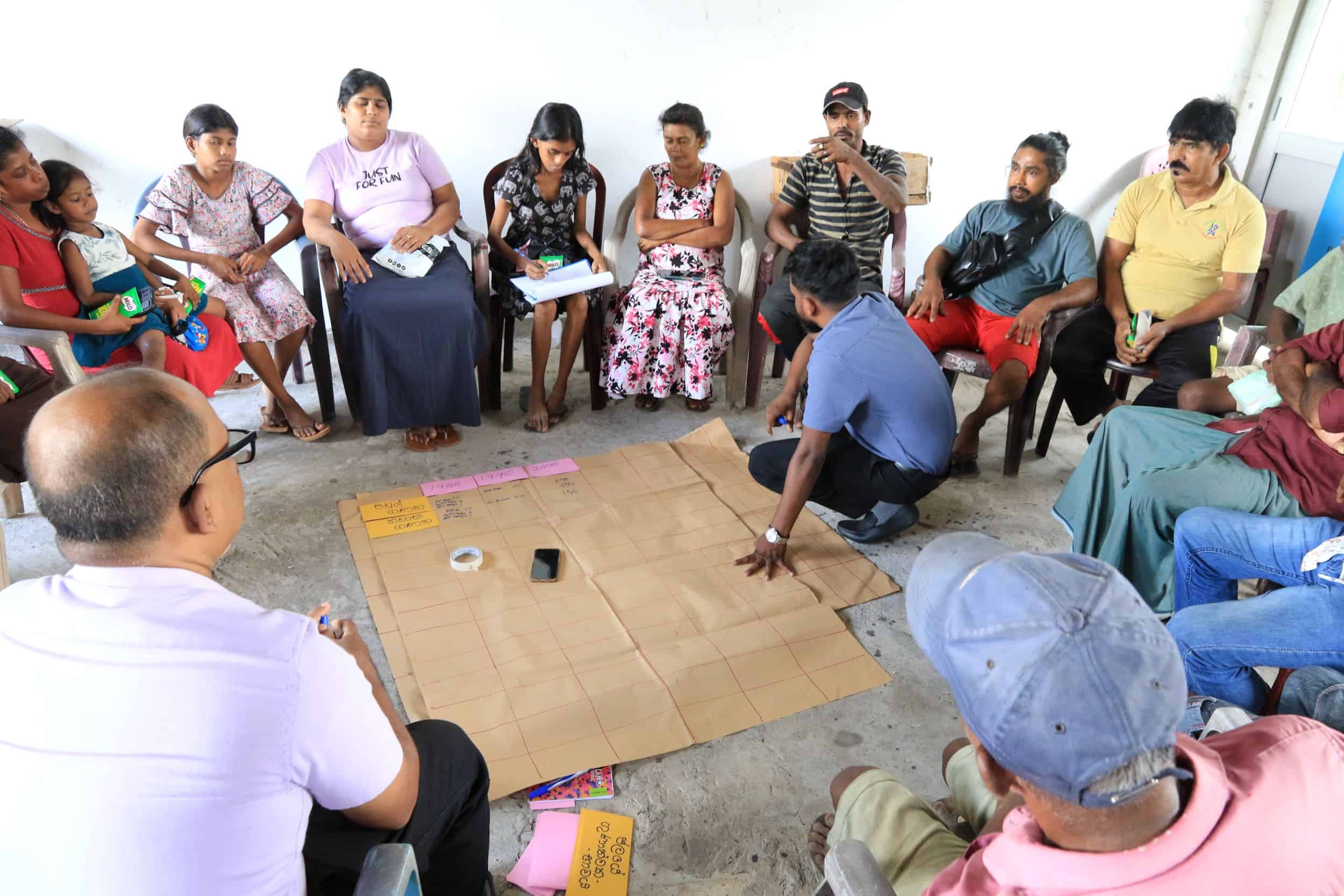
As community knowledge is considered vital in identifying pollution sources, climate-related risks, and locally appropriate resilience measures of the Kelani River catchment, UN-Habitat conducted several community consultation workshops in settlements bordering the Kelani River in the three cities.
These interactive workshops were held in August in Bandaranayakepura in Kotte, Sammanthranapura in Colombo and Mawella in Kelaniya by UN-Habitat in collaboration with the local authorities, with a total of over 100 participants. Women and elderly were active participants in the consultations providing their unique experiences of living alongside the river. Families discussed the threats they faced during intense rains which flood their settlements with the overflowing of the Kelani River and connecting canals.
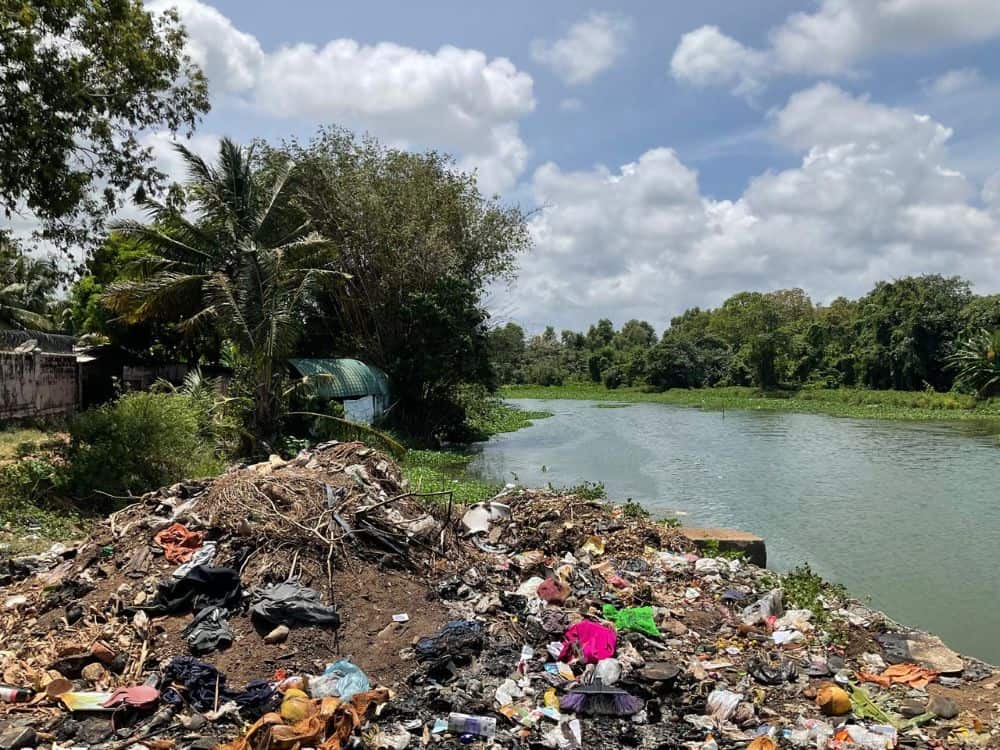
Field visits and transect walks were also conducted to observe the socio-economic conditions of communities and environmental pressures along tributary canals and interconnected wetland systems that drain into and connect with the Kelani River. The observations identified localized pollution and environmental concerns, including unauthorized solid waste disposal, greywater and blackwater discharge into tributary canals and wetlands, invasive aquatic vegetation and sediment accumulation, which may reduce drainage capacity and affect downstream water quality.
Findings from these consultations will be incorporated into a Catchment Assessment Report which will inform the development of the Catchment Management Plans for Colombo, Kotte and Kelaniya as part of the project “Safe and Resilient Water Supply for Western Cities – Integrating Climate Resilience into Water Safety Plans of the Ambatale Water Supply Scheme”.
Evidence-based catchment management plans led by the cities will contribute towards reducing negative impacts on water quality, particularly during extreme weather events such as floods and droughts, through application and analysis of data from catchment assessments, an early warning system database and stakeholder consultations.
This project is funded through a USD 469,232 grant from the Coalition for Disaster Resilient Infrastructure (CDRI)’s trust fund, IRAF, with financial support from the Government of India, and is implemented by UN-Habitat and the National Water Supply and Drainage Board (NWSDB).