
Rehabilitating Evacuation Routes to Strengthen Community Resilience to Climate-Induced Disasters in Mullaitivu
26 October 2026, Mullaitivu, Sri Lanka. Mullaitivu District is highly vulnerable to climate-related disasters such as floods and droughts. During heavy rains and floods, evacuation routes are critically important to help residents reach safer places and protect their lives.
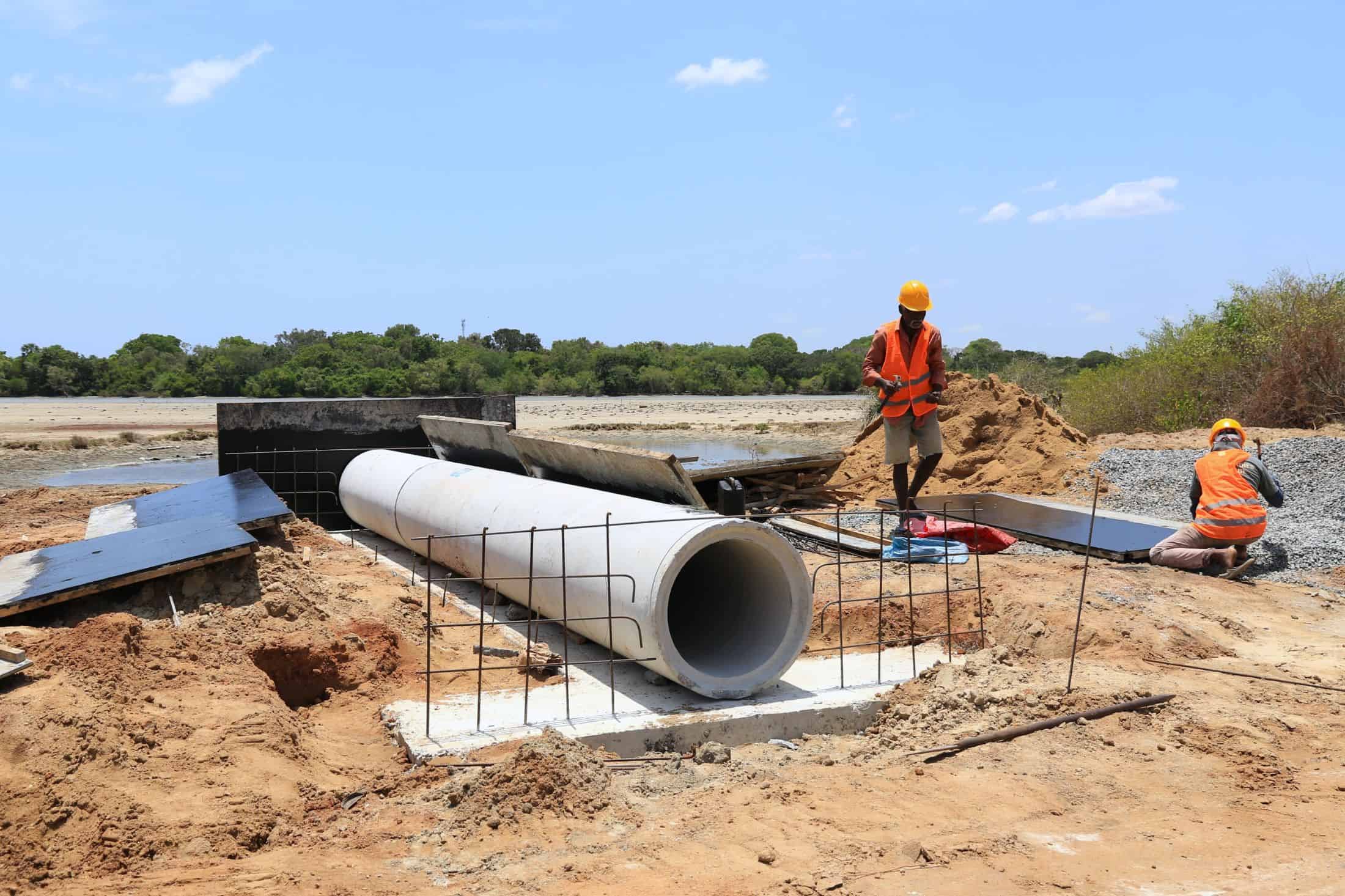 With funding from the Adaptation Fund, UN-Habitat Sri Lanka, in partnership with the Ministry of Environment and the Mullaitivu District Secretariat, is rehabilitating two evacuation routes with a combined length of approximately 3 Km. One route is located near the ecologically sensitive Nayaru Lagoon in Chemmalai East GN Division, while the other is along the Raalkulam minor irrigation tank bund in the tsunami-affected village of Kallapadu South.
This rehabilitation effort will improve access along the selected routes and support safer movement of residents towards designated safe locations during emergencies. By addressing infrastructure constraints along the two routes, this intervention will strengthen local preparedness for climate-related disasters and improve community access when evacuation becomes necessary. It is expected to benefit approximately 2,400 residents in the surrounding localities.
UN-Habitat is working closely with the Department of Road Development, Mullaitivu District Secretariat and communities to rehabilitate the routes. The Department of Road Development is preparing designs with local community teams, and carrying out technical monitoring and quality assurance, including soil compaction and concrete tests, to ensure the quality of construction works. The District Disaster Management Coordinating Unit of Mullaitivu is providing coordination support, while the Central Environmental Authority is monitoring environmental and social safeguards.
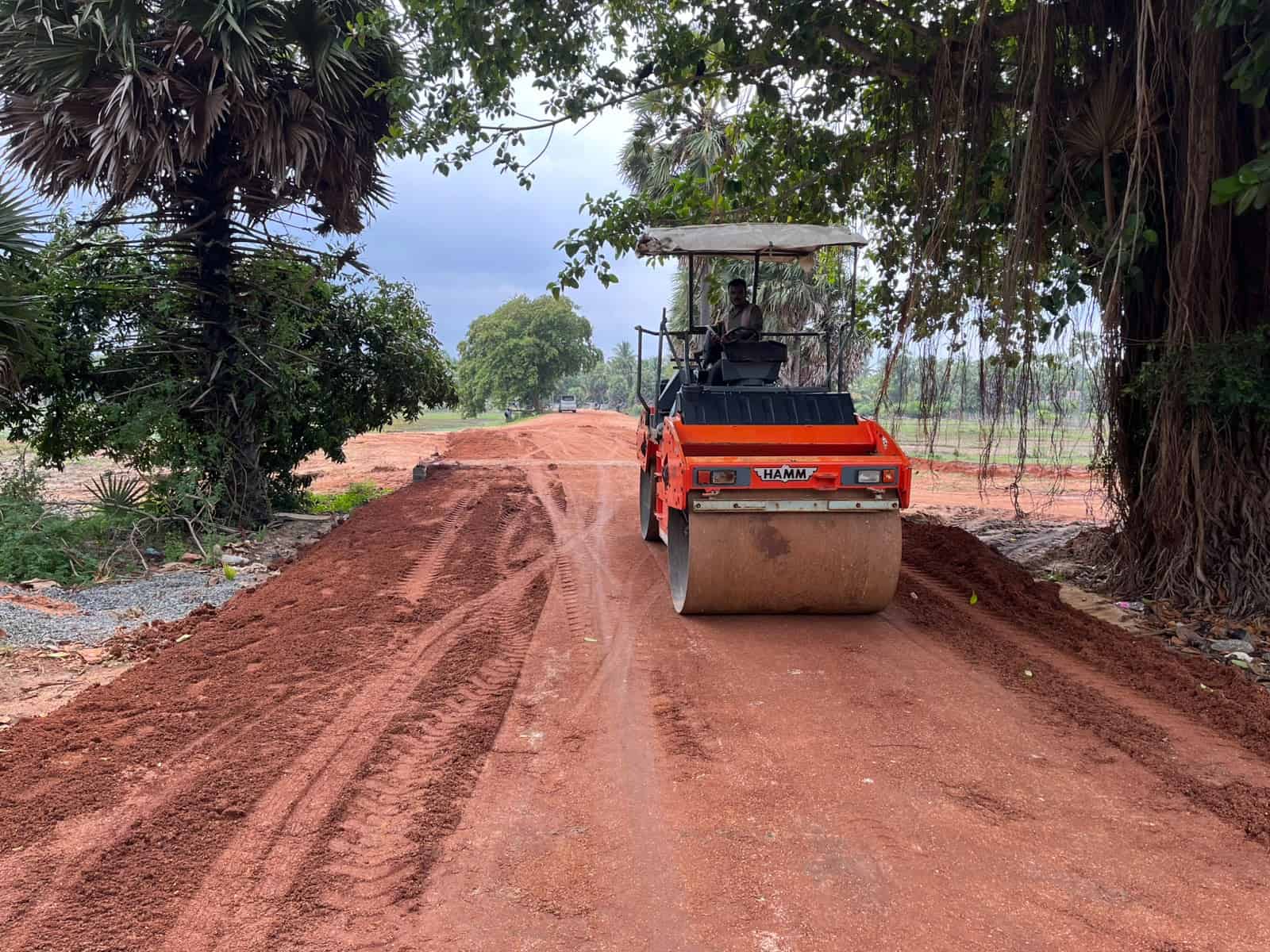 Work on both routes is progressing well and is expected to be completed by January 2027. Mr. Sinniah Kokularajah, Assistant Director of the District Disaster Management Coordinating Unit, Mullaitivu, said “Rehabilitation of evacuation routes will help our communities reach safer places during floods and other emergencies. It will improve safety, protect lives, and help families feel more secure during disasters. We sincerely appreciate this support, which will make a real difference to the lives of our people.”
Community members and community-based organizations are actively involved in the rehabilitation work, supported by a community monitoring mechanism to oversee progress and construction quality. Their participation is helping to strengthen community engagement and oversight of the project.
Alongside the Nayaru evacuation route, the project is also supporting mangrove restoration around Nayaru Lagoon. These complementary interventions combine improvements to evacuation access with ecosystem restoration to strengthen community and livelihood resilience to climate-related risks.
This critical disaster management initiative is undertaken though the project “Build resilience to climate change and climate variability of vulnerable communities in Mullaitivu District of Sri Lanka”, funded by the Adaptation Fund.